How to Read a Cottage Listing
Eleven tabs open in January and every cottage has started to look like the same cottage. What the photographs are not telling you, and how to read them properly.
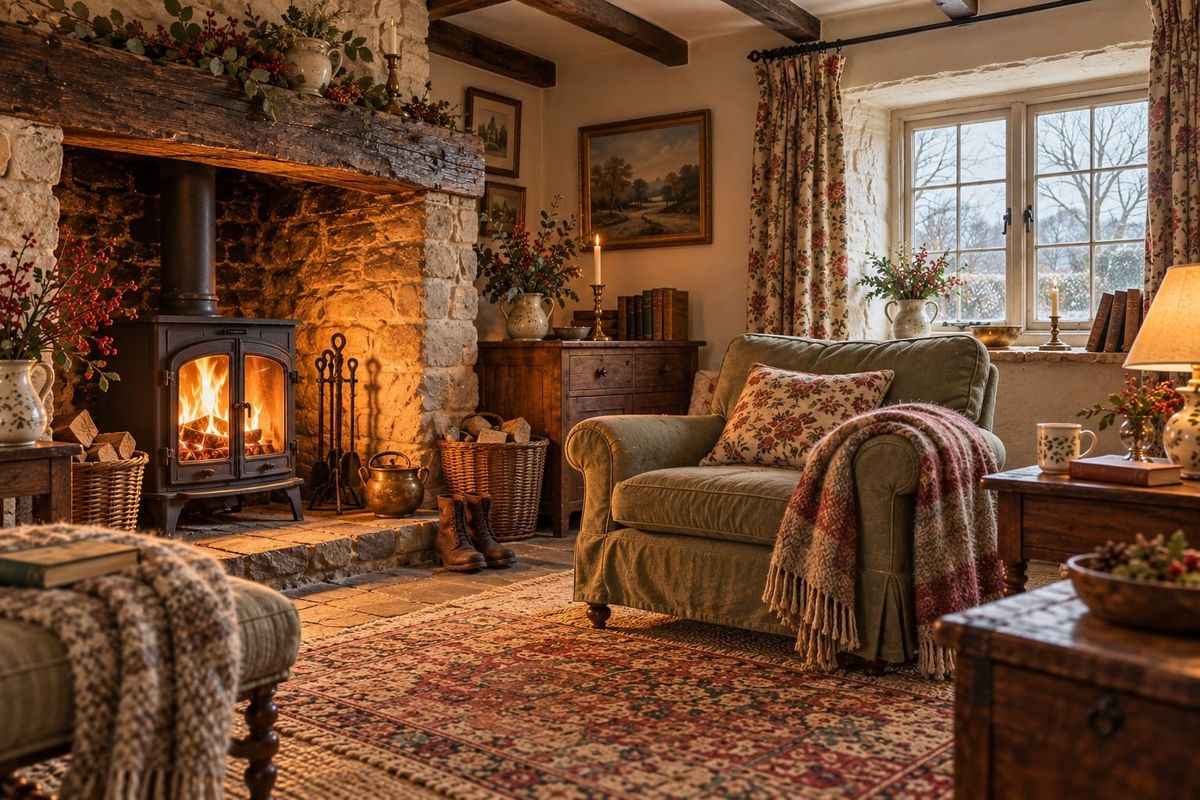
(Eleven photographs, one paragraph of prose, and a week of your life riding on it.)
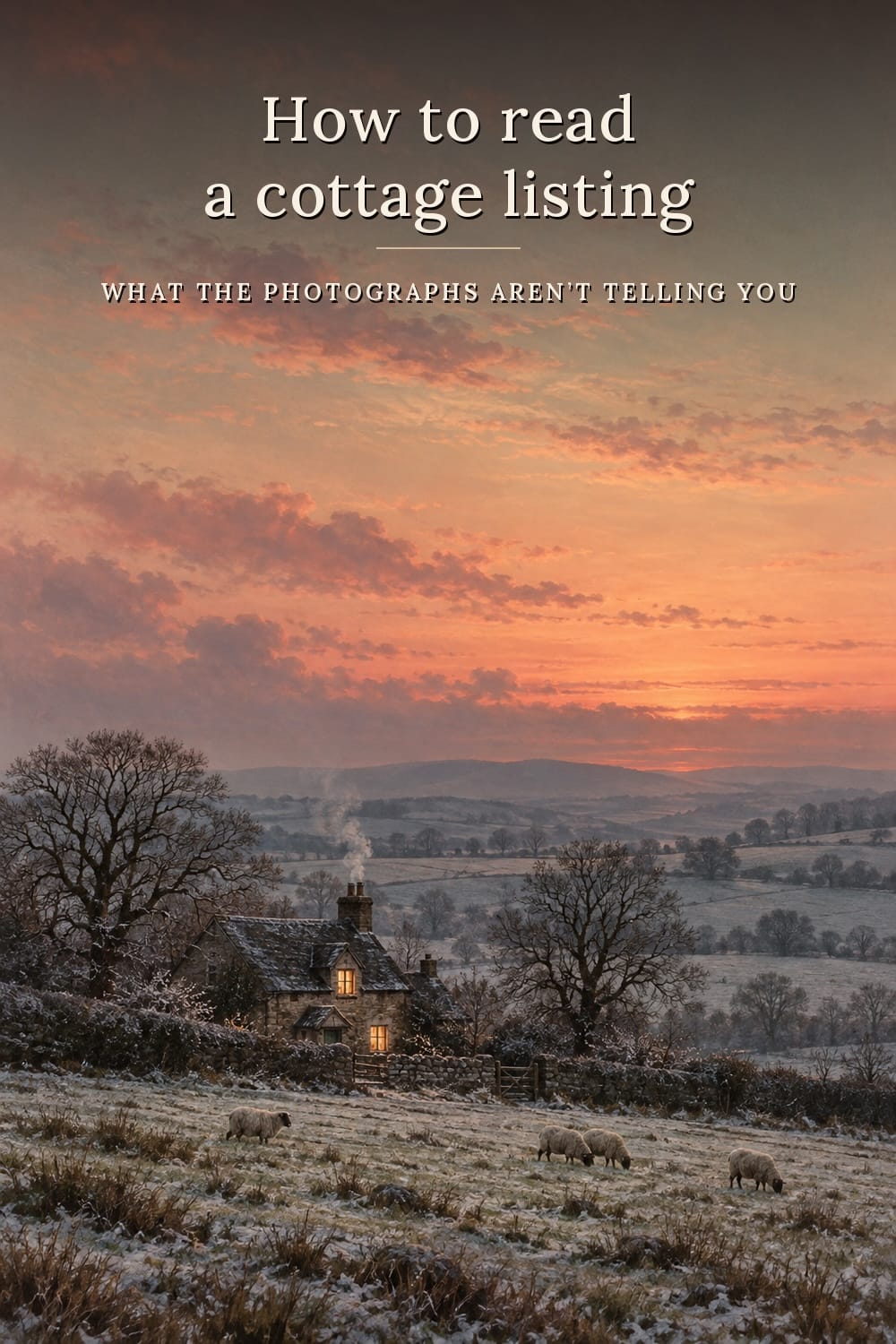
There is a particular kind of evening, usually in January, when you have eleven tabs open and every cottage has begun to look like the same cottage. They all have a wood burner. They all have a sheep somewhere in the middle distance. Somewhere around the ninth tab it occurs to you that you cannot actually tell these places apart, and that you are about to commit a week of your life on the strength of some photographs taken by a man with a wide-angle lens in June.
Cottage listings have a grammar. Nobody teaches it to you, and the people writing them are not lying. They are choosing what to photograph, and what they choose tells you nearly as much as the pictures do.
Here is what I have learned to look for, mostly by getting it wrong first.
A fire is a sentence, not a picture
Every listing has a photograph of a lit fire. Almost none of them tell you who lights it.
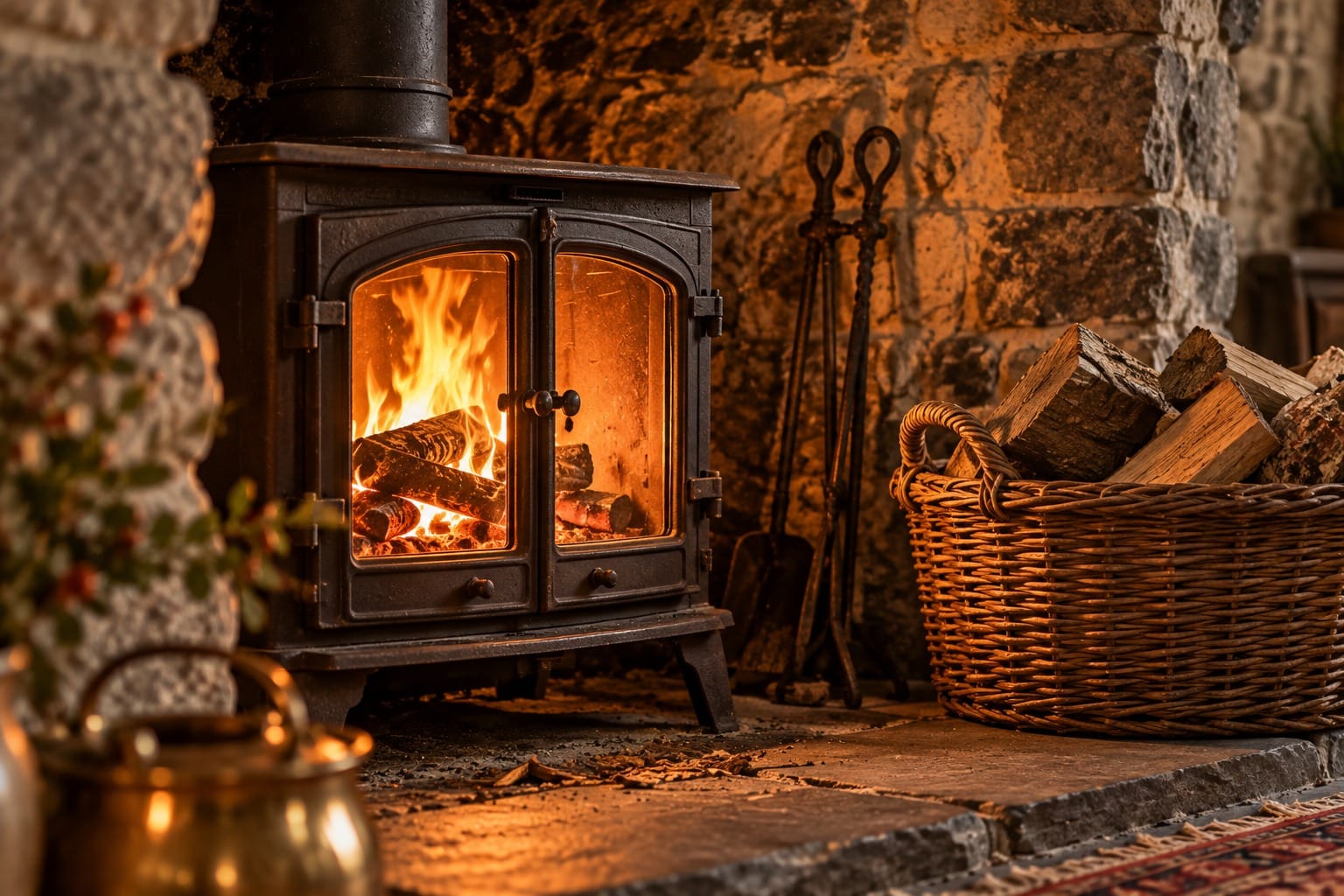
"Wood burner" means there is a wood burner. "Logs provided" means there are logs. "Starter pack of logs provided" means there are four logs and a long dark evening ahead of you. The difference between these three sentences is the difference between arriving on a Friday in February to a warm room and arriving to a cold one, then driving back out to a village shop that shut at four.
So read the facilities list rather than looking at the photograph. And if a fire is the thing you actually want, filter for it from the start rather than hoping. It narrows the field faster than anything else, and it narrows it towards the right sort of place.
Browse the cottages with fires →
The room they didn't photograph
A listing with fourteen photographs and no kitchen has told you something about the kitchen.
This is the single most useful habit I have: before looking at what is there, notice what isn't. Bathrooms go missing, which usually means avocado. Kitchens go missing, which usually means a galley with one cupboard and a hob from an era everyone has agreed not to discuss. Bedrooms go missing when there are four of them advertised and only two worth showing you.
None of this makes a cottage bad. Plenty of the best places I have stayed in this country have had a terrible kitchen and a view worth the entire week. But you want to know before you arrive with ambitions about Sunday lunch.
Everything was photographed in June
Where I grew up, nobody rents a cottage. You have one. The Czech chata is a small, usually ugly, deeply beloved building an hour outside the city, and it belongs to your family, and you go every weekend from April to October whether you want to or not. My husband found this extremely funny the first time it was explained to him, on the grounds that the British version involves paying a stranger for the privilege and calling it a holiday.
He is not wrong. But it does mean I arrived here with one useful instinct: I know exactly what a cottage looks like in February, and it is not what it looks like in the brochure.
So look at the light in the photographs. If every shot has long summer shadows and the garden is in full leaf, the cottage is showing you its best fortnight of the year. That is fair enough, they all do it. But if you are booking for November, look for one picture, any picture, taken with the lights on. A place that can show you itself in the dark is a place that is good in the dark.
Thatch is the honest exception here. It looks like that in February too.
Browse the thatched cottages →
Fifteen minutes from the coast
Measured at four in the morning, in August, by someone who has done the drive four hundred times and no longer sees the caravans.
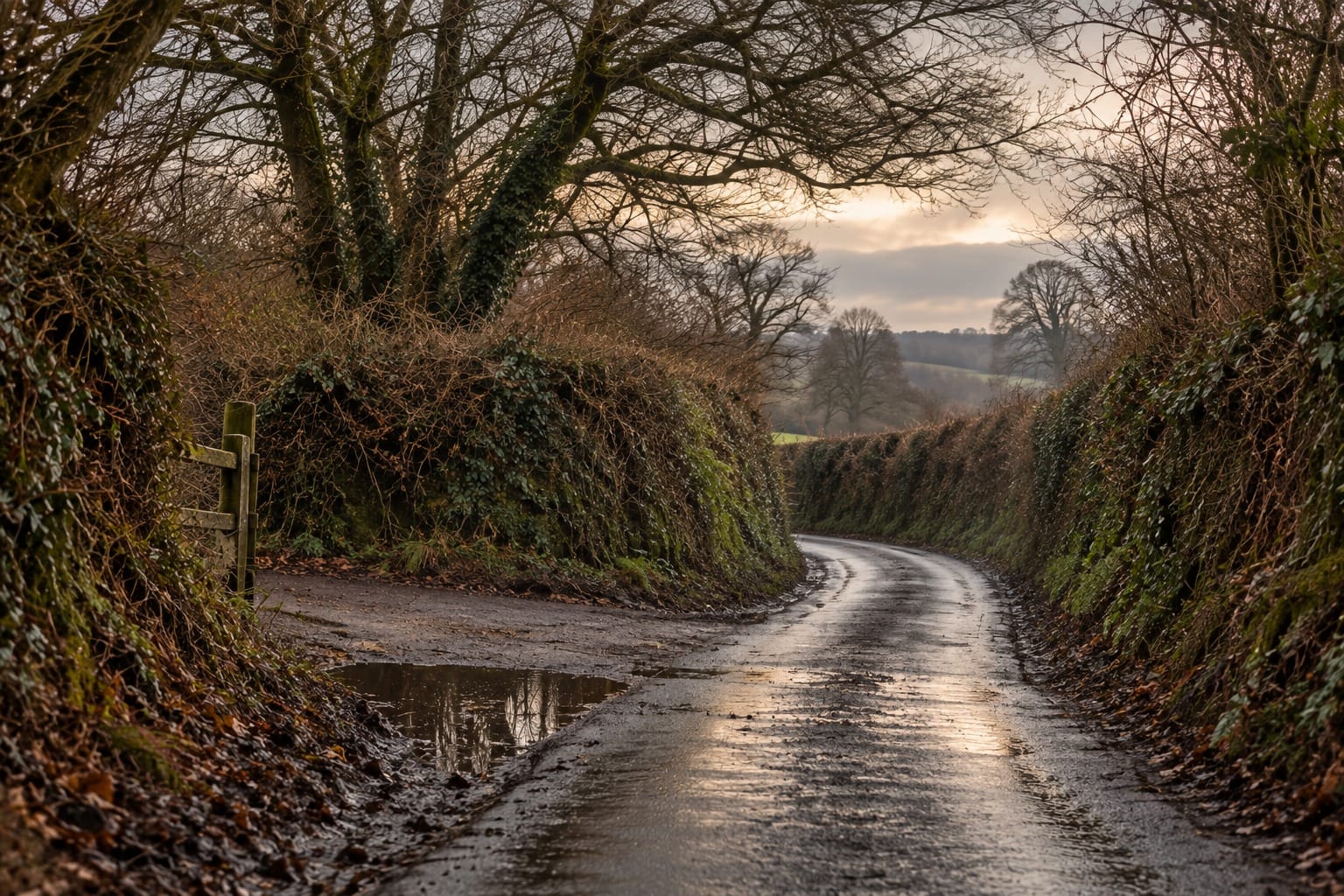
Add half. Then add fifteen minutes for the last mile, because the last mile of a good cottage is almost always a single track with passing places and a hedge taller than the car. This is not a complaint. The hedge is part of what you are paying for. But it is worth knowing before you promise the children they will be swimming by teatime.
I have a certain amount of footage of these lanes, because I once drove from Somerset to the north Devon coast with a camera on the dashboard and it took a good deal longer than the internet had promised. The hedges are the reason.
The related trap is the pub. "Pub within a mile" is a wonderful phrase that has quietly stopped being true across a great deal of the country. If a pub matters to your week, check that the pub still exists, which takes about ninety seconds and has saved me one genuinely miserable Tuesday.
Sleeps six
Sleeps six, in my experience, means four people sleep well, one sleeps adequately, and one sleeps on a sofa bed in the room that everybody walks through to reach the only bathroom.
The sleeping arrangement is always listed, usually in small type, usually below the fold. Read it before the price. Two doubles and a twin is a different holiday from a double, a twin and a sofa bed, and the difference will be discovered at eleven on the first night by whichever adult is least good at hiding their feelings.
The ones that are actually different
All of the above is about avoiding disappointment, which is a slightly joyless way to choose a holiday.
So here is the other half of it. Once you can read the listings, you stop being fooled by the ordinary ones, and you start noticing the places that genuinely aren't. A converted chapel with a window where the altar was. A shepherd's hut that sleeps two and has no wifi and makes no apology for it. A cottage on a working farm where somebody else's cows will wake you at six, which is either the best or the worst thing about the week, depending on the person.
These are the ones people talk about for years afterwards. They are rarely the cheapest and never the most practical, and they are usually booked well before the sensible ones.
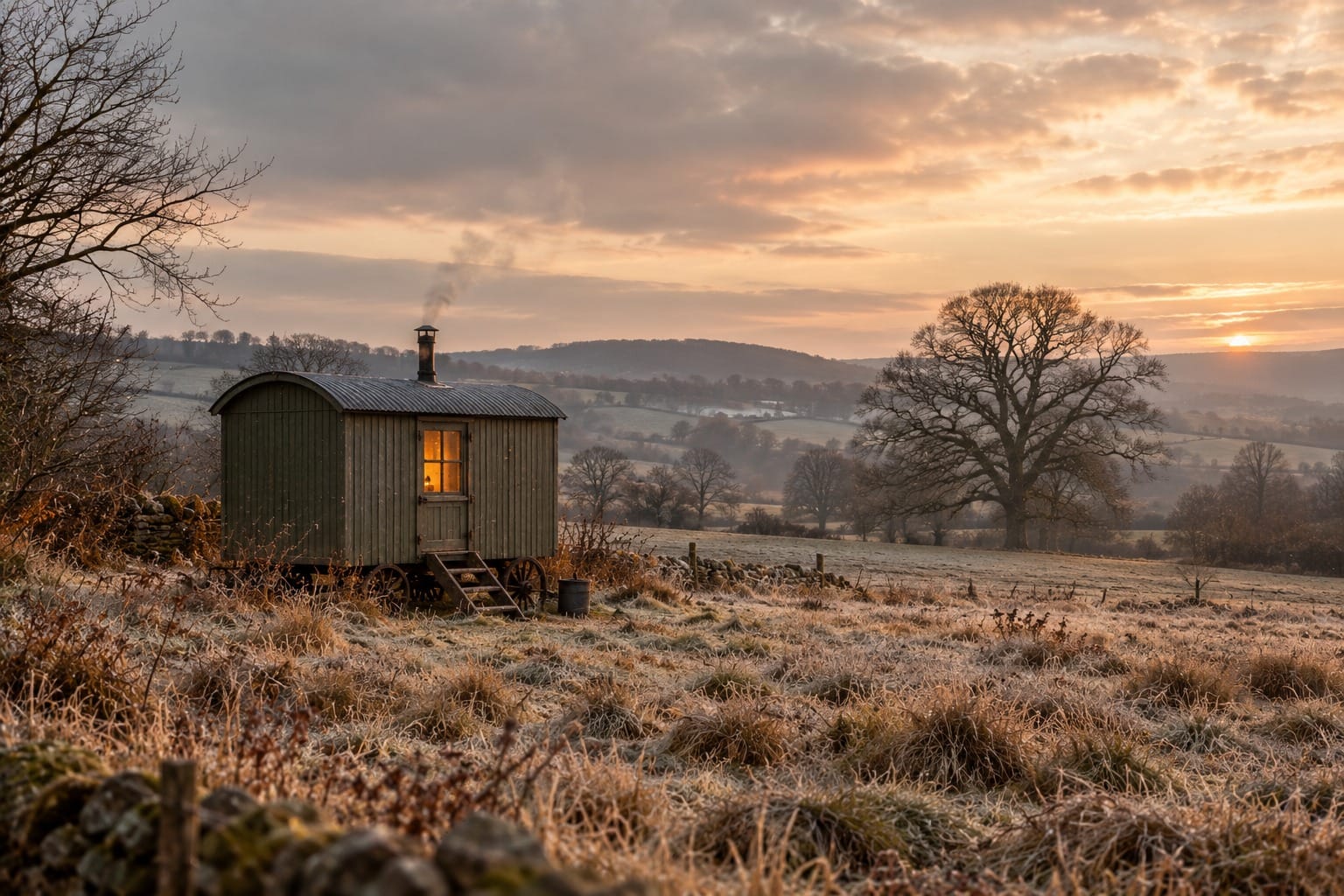
Browse the working farm cottages →
About that sheep
I have been sceptical for eleven hundred words now, so let me be fair.
The sheep in the middle distance is real. So is the fire, usually, and the view, and the particular quiet of a stone building at ten at night with the weather doing something dramatic outside and nothing whatever required of you until morning. British holiday cottages are one of the few things that genuinely deliver what their photographs promise, provided you have read the photographs properly.
You will still end up on tab eleven in January, and they will still all look the same. But now you know which ones aren't.
The drive, if you want to see it. Somerset to the sea in real time, two hours of it, hedges and all.
This post contains affiliate links, which means I may earn a small commission if you book through them, at no extra cost to you. I only recommend places I would happily spend a wet Tuesday in.
📌 Pin this for later — you will be booking something in January. Everybody is.